MOSFRAME · March 29, 2026
How to Style Textured Wall Art in Modern Minimalist Interiors: A Complete Design Guide
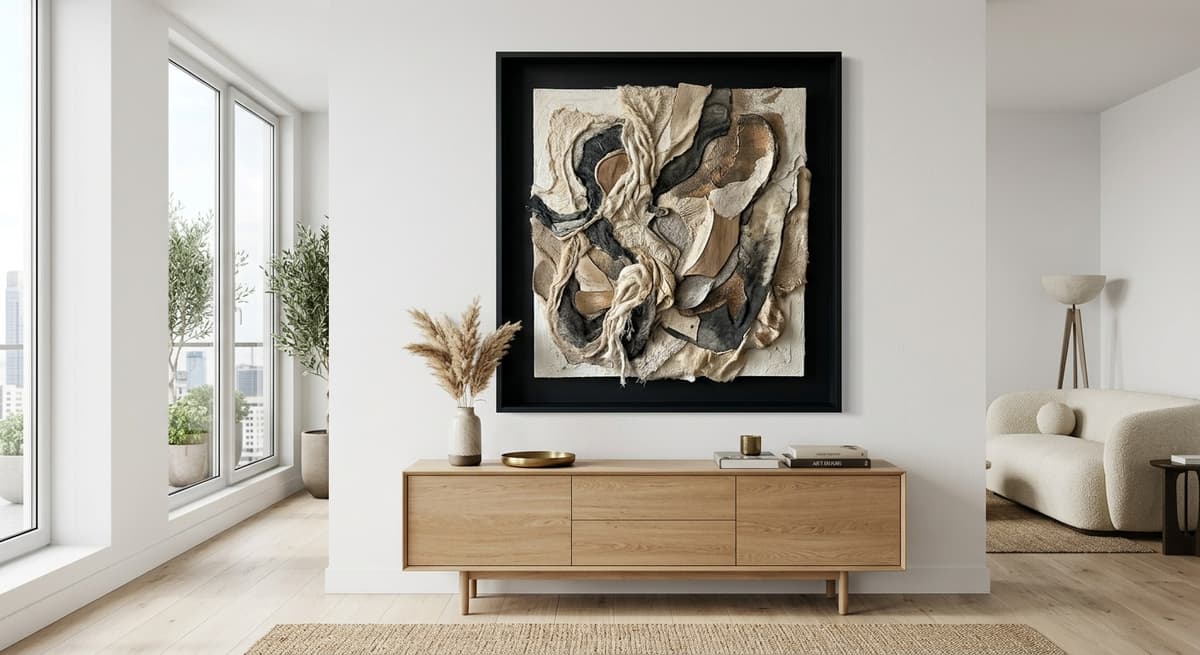
Modern minimalist interiors thrive on the principle of "less is more," but this doesn't mean your walls should remain bare. The key lies in selecting textured wall art that adds depth and visual interest while maintaining the clean, uncluttered aesthetic that defines minimalism. When chosen thoughtfully, textured pieces become powerful focal points that enhance rather than overwhelm your carefully curated space.
Understanding Texture in Minimalist Design
Texture serves as the bridge between stark minimalism and livable warmth. In spaces where color palettes are restrained and furniture is pared down to essentials, textural elements provide the sensory richness that prevents environments from feeling cold or clinical. Textured wall art accomplishes this while adhering to minimalist principles of intentionality and restraint.
The most effective textured pieces for minimalist spaces share common characteristics: they feature natural materials, subtle color variations, and sculptural qualities that create shadows and depth. These elements work together to add complexity without visual noise, making them perfect companions to clean-lined furniture and open floor plans.
Choosing the Right Textured Wall Art for Your Space
Scale and Proportion Considerations
In minimalist interiors, each piece must earn its place through careful consideration of scale. Large-format textured artwork often works best, as it can command attention without requiring multiple pieces that might create visual clutter. A single substantial piece can anchor an entire wall, providing the textural interest needed while maintaining the uncluttered aesthetic.
Consider the relationship between your artwork and surrounding elements. A textured piece should complement your furniture's proportions rather than compete with them. If you have low, horizontal furniture, a vertically oriented textured piece can create pleasing contrast and draw the eye upward, enhancing the sense of space that minimalist design seeks to achieve.
Material Selection for Maximum Impact
Natural materials align perfectly with minimalist philosophy, offering authenticity and connection to the organic world. Stone-based textures provide remarkable depth through their inherent variations and ability to catch and reflect light throughout the day. These materials age gracefully and maintain their appeal across changing design trends.
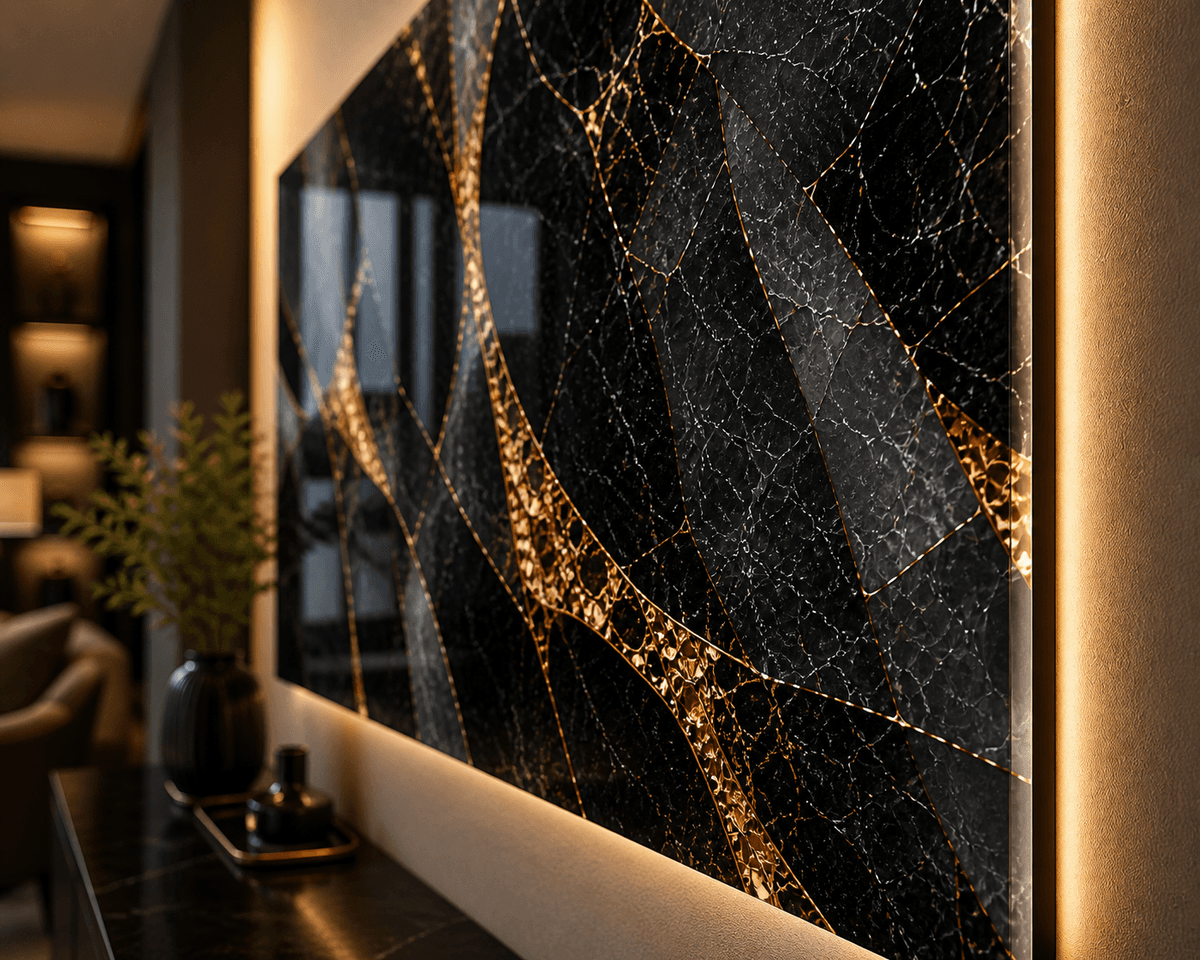
Reflective materials offer another compelling option for textured wall art in minimalist spaces. Pieces incorporating reflective elements can amplify natural light while adding dimensional interest through their interplay with surrounding surfaces. The key is selecting pieces where the reflective quality feels intentional rather than decorative.
Strategic Placement Techniques
Creating Focal Points Without Overwhelming
The placement of textured wall art in minimalist interiors requires strategic thinking about sight lines and room flow. Position your textured piece where it will be naturally discovered rather than competing for attention with architectural features or functional elements.
Consider placing textured artwork opposite windows to maximize the interplay between natural light and surface variations. This positioning allows the piece to change throughout the day, providing visual interest that evolves with changing light conditions. The subtle drama created by shifting shadows adds life to minimalist spaces without requiring additional decorative elements.
Balancing Negative Space
Minimalist design relies heavily on negative space to create breathing room and visual calm. When incorporating textured wall art, maintain generous margins around the piece. This breathing room allows the texture to be fully appreciated while preventing the wall from feeling crowded.
The rule of thirds applies beautifully to textured wall art placement. Positioning pieces off-center can create more dynamic compositions while maintaining the balanced feel essential to minimalist aesthetics. This approach works particularly well with textured pieces that have irregular or organic shapes.
Lighting Considerations for Textured Surfaces
Proper lighting transforms textured wall art from static decoration into dynamic sculptural elements. The interplay between light and texture creates depth and movement that enhances the minimalist interior's sense of calm sophistication.
Directional lighting, such as track lights or picture lights, can emphasize the dimensional qualities of textured surfaces. Position lights to graze across the surface at an angle, creating dramatic shadows that highlight the material's natural variations. This technique works exceptionally well with stone textures and other relief surfaces.
Natural light should also be considered in your placement strategy. Textured pieces positioned where they receive indirect natural light throughout the day will display constantly changing character, providing visual interest that evolves naturally rather than requiring artificial enhancement.
Color Coordination in Minimalist Settings
Monochromatic Harmony
Minimalist color palettes typically center around neutral tones, making color coordination relatively straightforward. Textured wall art should complement rather than contrast with your established palette. Natural stone textures, for example, offer subtle color variations that add richness without disrupting tonal harmony.
Consider how your textured piece will interact with other materials in the space. If you have exposed concrete or natural wood elements, choose textured art that creates a cohesive material story rather than competing for attention.
Accent Through Texture, Not Color
In minimalist interiors, texture often serves the role that color plays in more decorative schemes. Rather than relying on bold colors for visual interest, textured wall art provides depth and complexity through surface variation and light interaction. This approach maintains the serene quality essential to minimalist design while preventing spaces from feeling flat or lifeless.
Practical Implementation Tips
Installation and Mounting
Textured wall art often carries more weight than traditional paintings, requiring careful consideration of mounting systems. Ensure your wall can support the piece adequately, and consider professional installation for larger or heavier works. Clean mounting systems maintain the minimalist aesthetic by keeping hardware invisible.
For pieces with significant depth or irregular surfaces, floating mount systems can create the illusion that the artwork emerges directly from the wall. This mounting approach enhances the sculptural quality of textured pieces while maintaining the clean lines essential to minimalist design.
Maintenance and Longevity
Textured surfaces require different maintenance approaches than smooth artwork. Natural materials like stone may need periodic cleaning to maintain their appearance, while reflective elements benefit from gentle cleaning to preserve their light-enhancing qualities. Consider the long-term care requirements when selecting textured pieces for your minimalist interior.
Choose pieces crafted from durable materials that will age gracefully. Quality construction ensures that your textured wall art will continue to enhance your minimalist interior for years to come, making it a worthwhile investment in your home's aesthetic and value.
Making Your Selection
When selecting textured wall art for your minimalist interior, prioritize pieces that speak to both your aesthetic sensibilities and the functional requirements of your space. Consider how the piece will interact with natural light throughout the day, how it complements your existing materials and furnishings, and whether its scale is appropriate for your room's proportions.
The most successful textured wall art in minimalist settings feels inevitable rather than imposed. It should enhance your space's existing strengths while adding the dimensional interest that prevents minimalist interiors from feeling sterile or incomplete.
Quality craftsmanship becomes especially important in minimalist settings where each piece receives focused attention. Seek out artworks that demonstrate mastery of materials and technique, ensuring that your investment enhances both your immediate enjoyment and your home's long-term value.