MOSFRAME · March 29, 2026
Why Limited Edition Art Holds Its Value: A Collector's Investment Guide
The art market has long fascinated collectors and investors alike, but few segments offer the compelling combination of aesthetic appeal and financial stability found in limited edition artworks. Understanding why these exclusive pieces maintain and often appreciate in value can transform your approach to building a meaningful art collection.
The Economics of Scarcity in Art Markets
Limited edition art operates on a fundamental economic principle: scarcity drives value. When artists restrict the number of pieces in a series, they create artificial scarcity that distinguishes these works from mass-produced items. This controlled supply, combined with sustained or growing demand, forms the foundation of long-term value retention.
Unlike open editions that can be reproduced indefinitely, limited editions carry inherent exclusivity. Each piece represents a finite opportunity to own something that becomes increasingly rare as pieces are sold into private collections or institutions.
Documentation and Provenance: The Value Foundation
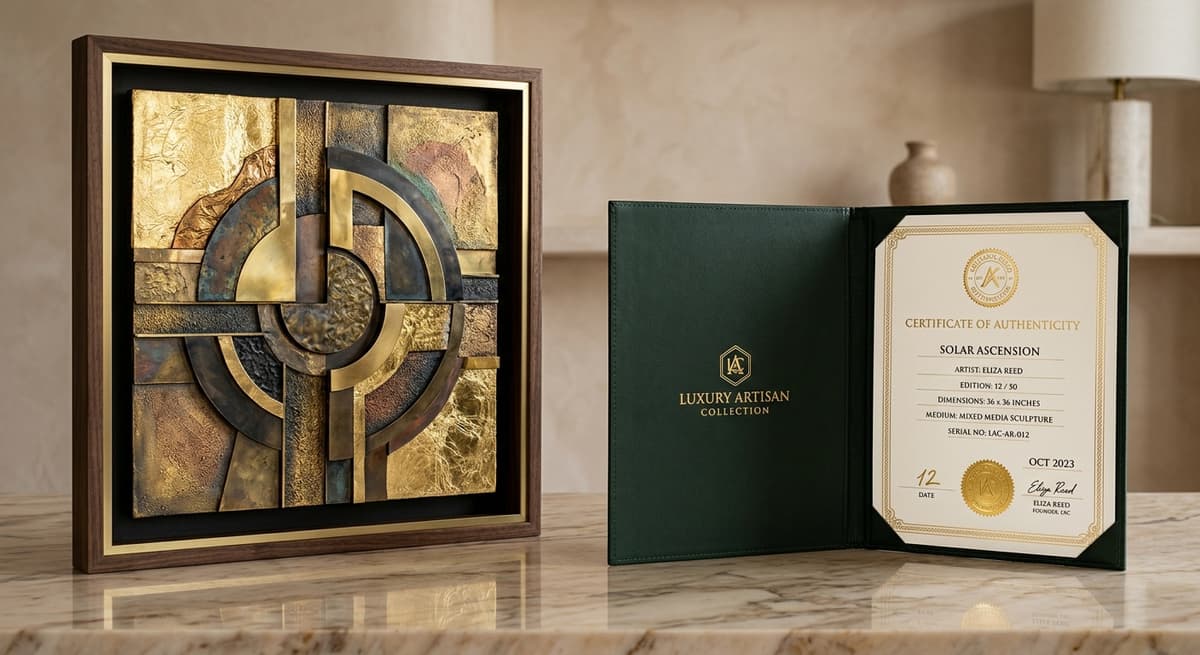
Professional documentation serves as the backbone of any valuable limited edition artwork. Certificates of authenticity, detailed provenance records, and proper cataloging establish credibility that collectors and future buyers rely upon.
Essential Documentation Elements
- Edition numbers and total quantity - Clear identification of where each piece fits within the limited series
- Artist signatures and dates - Authentication marks that verify origin and creation period
- Materials and techniques - Detailed descriptions of artistic processes and premium materials used
- Certificate of authenticity - Official documentation from the artist or authorized dealer
This documentation becomes increasingly important as artworks change hands over time. Pieces with complete provenance records consistently command higher prices than those with gaps in their ownership history.
Market Dynamics That Support Value Retention
Several interconnected factors contribute to the sustained value of limited edition artworks, creating a market environment that rewards careful collectors.
Collector Psychology and Exclusivity
The psychology of collecting plays a crucial role in maintaining demand for limited editions. Collectors are drawn to pieces they know others cannot easily acquire, creating a sense of exclusivity that transcends mere aesthetic appreciation. This psychological component adds emotional value that financial markets cannot easily replicate.
When collectors invest in limited edition pieces, they join an exclusive group of owners. This sense of membership in a select community often translates into reluctance to sell, further constraining supply and supporting prices.
Artist Career Trajectories
Limited editions often represent significant moments in an artist's career development. As artists gain recognition and their work enters galleries, museums, or private collections, early limited editions can appreciate substantially. The key lies in identifying artists whose work demonstrates both technical excellence and unique artistic vision.
Contemporary handmade art forms, such as sculptural wall pieces and mixed-media works, represent particularly interesting opportunities. These pieces combine traditional craftsmanship with modern aesthetic sensibilities, appealing to collectors who value both artistic skill and contemporary relevance.
Quality Factors That Preserve Long-Term Value
Not all limited editions are created equal. Several quality factors distinguish investment-worthy pieces from mere collectibles.
Material Quality and Craftsmanship
Premium materials and exceptional craftsmanship form the foundation of lasting artistic value. Works created using archival materials and time-tested techniques demonstrate greater longevity than those made with inferior components.
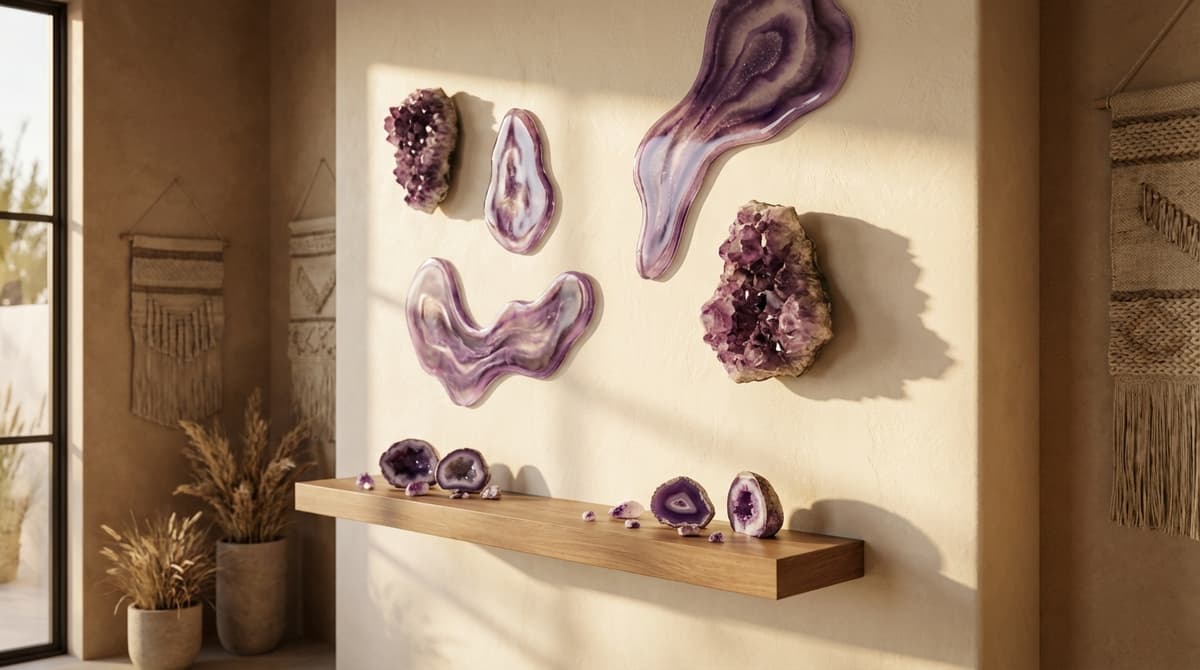
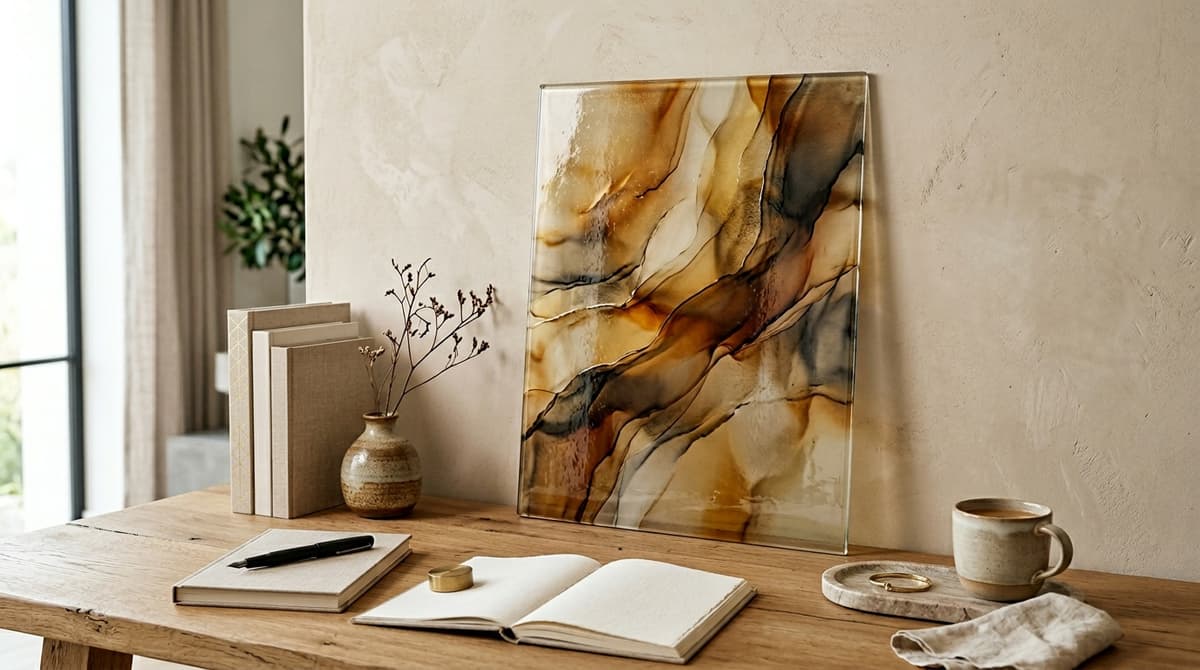
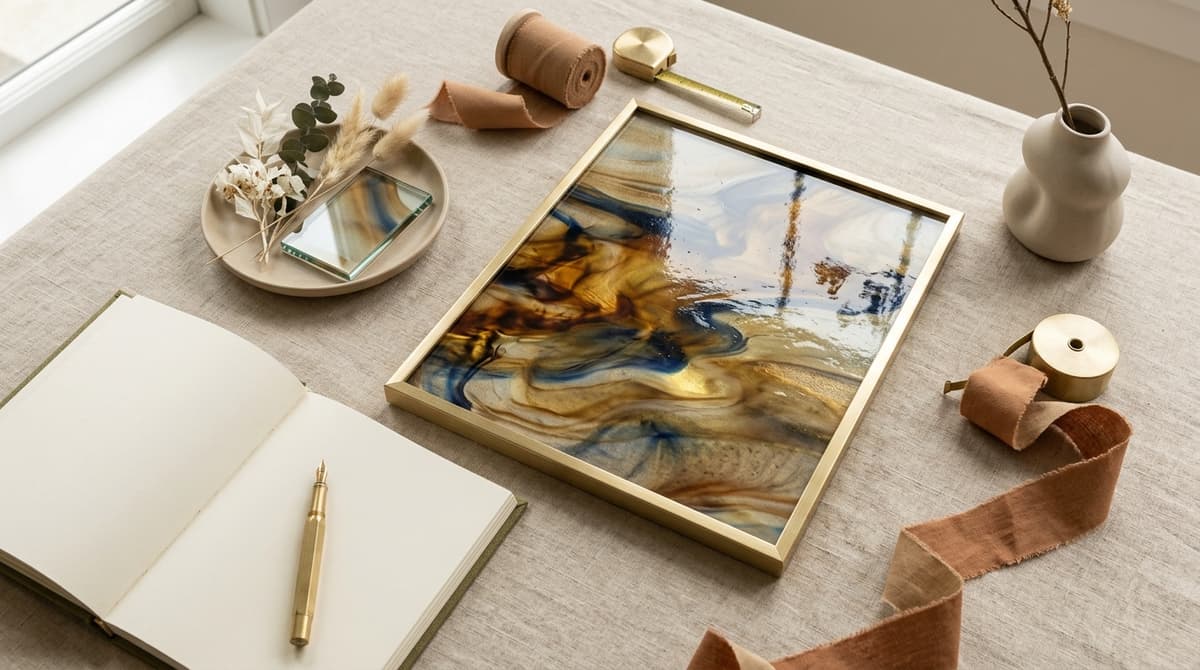
Natural materials like volcanic stone bring unique characteristics that cannot be mass-produced or easily replicated. Each piece carries individual variations that make it truly one-of-a-kind, even within a limited series. Similarly, innovative techniques combining traditional materials with contemporary elements, such as mirror fragments integrated with epoxy resin, create visually striking pieces that stand apart from conventional artwork.
Scale and Installation Considerations
Wall-mounted artworks offer practical advantages that contribute to their market appeal. Unlike sculptures requiring floor space or paintings demanding specific lighting, well-designed wall art integrates seamlessly into various interior environments. This versatility makes such pieces attractive to a broader range of collectors and interior designers.
Strategic Collecting for Value Preservation
Building a collection of limited edition art requires strategy beyond simply purchasing pieces you find attractive. Successful collectors develop systematic approaches that balance aesthetic preferences with investment considerations.
Research and Due Diligence
Before acquiring any limited edition piece, thorough research protects your investment and ensures informed decision-making. Key research areas include:
- Artist background and exhibition history
- Previous sales data for similar works
- Critical reception and media coverage
- Market trends in similar artistic styles or materials
Diversification Within Limited Editions
Smart collectors diversify across different artists, styles, and price points rather than concentrating investments in single series or artists. This approach reduces risk while exposing your collection to multiple potential appreciation scenarios.
Consider balancing established artists with emerging talents, and mixing different artistic mediums or techniques. A collection might include both sculptural elements and mixed-media pieces, creating visual variety while spreading investment risk.
Care and Maintenance: Protecting Your Investment
Proper care directly impacts the long-term value of limited edition artworks. Environmental factors, handling procedures, and display considerations all affect condition and, consequently, market value.
Environmental Controls
Stable temperature and humidity levels prevent materials degradation that can diminish artwork value. Natural materials require particular attention to environmental conditions, as they may respond differently to climate variations than synthetic alternatives.
UV protection becomes especially important for works incorporating reflective elements or color-sensitive materials. Professional-grade UV filtering protects against fading and material breakdown that can irreversibly damage artwork.
Professional Installation and Maintenance
Professional installation ensures both safety and optimal presentation. Improper mounting can damage artwork or create safety hazards that affect insurance coverage and resale value.
Regular professional cleaning and maintenance preserve appearance and structural integrity. Many collectors underestimate how proper care enhances long-term value retention.
Making Informed Investment Decisions
The limited edition art market rewards collectors who combine passion with prudent investment strategies. Understanding market dynamics, quality indicators, and proper care practices positions you to build collections that provide both aesthetic satisfaction and financial security.
Focus on pieces that demonstrate exceptional craftsmanship, use premium materials, and come from artists showing consistent development in their work. Remember that the most successful art investments often combine personal enjoyment with market awareness.
At MOSFRAME, our Stone Series and Reflection Series exemplify the principles that make limited edition art valuable: premium natural materials, innovative techniques, and meticulous handcrafted quality. Each piece represents not just artistic expression, but a tangible asset designed to enhance both your living space and your collection's long-term value.